Navigating the pension landscape: How to choose a pension advisor in Dublin
According to the Central Statistics Office 2023 pension coverage survey, a significant portion of the Irish workforce remains concerned about the adequacy of their retirement savings and the complexity of managing multiple schemes. In Dublin, where professional mobility is exceptionally high, this challenge is magnified. Mid-career professionals frequently transition between multinational firms and domestic companies, accumulating a series of dormant pension pots along the way. For example, a professional who has worked at three different technology or financial services firms in the capital may hold three separate occupational pension schemes, each managed by a different provider.
For a mid-career pension consolidator, these fragmented accounts present a significant administrative and financial burden. Legacy schemes often carry outdated investment strategies, high annual management charges, and duplicate policy fees that silently compound over time. Simultaneously, pre-retirement senior professionals aged between 50 and 65 face the critical task of transitioning from wealth accumulation to wealth preservation. They require highly structured, localised strategies rather than generic, off-the-shelf bank products. Securing professional pension advice in Dublin is the first step toward consolidating these assets, reducing unnecessary administrative costs, and ensuring that retirement portfolios are optimised for growth and tax efficiency.
The difference between independent pension brokers and tied bank agents
When seeking pension advice in Dublin, it is vital to understand the structural divide between independent pension brokers and tied bank agents. This distinction directly influences the range of investment choices, the transparency of fee structures, and the ultimate performance of the retirement fund.
Tied financial agents are employed by a single financial institution, such as a high-street bank or a specific insurance company. Under Irish regulatory rules, these agents are restricted to recommending only the proprietary products and funds managed by their employer. If a tied agent’s parent institution offers underperforming funds or charges high annual fees, the agent cannot recommend superior, lower-cost options from competing providers.
Conversely, independent pension brokers operate with a broad market mandate. They have the regulatory freedom to analyse and compare pension products from all the major life assurance offices in Ireland, including providers such as Zurich, Aviva, Irish Life, Standard Life, and Royal London. This access allows independent advisors to conduct a comprehensive market comparison, identifying the most competitive fee structures and the highest-performing fund managers. For instance, a difference of just 0.5% in annual management charges on a pension pot of 500,000 Euros can result in tens of thousands of Euros in savings over a fifteen-year period. By utilising an independent broker, professionals can avoid the limitations of single-provider products and build a diversified portfolio tailored to their specific risk tolerance.
Key credentials to look for in a Dublin retirement specialist
Selecting a qualified retirement specialist requires a thorough evaluation of professional credentials and regulatory compliance. In Ireland, any reputable pension advisor must be authorised and regulated by the Central Bank of Ireland. Individual advisors should hold recognised professional qualifications, such as the Qualified Financial Adviser designation or the Retirement Planning Advisor standard, which demonstrate a deep understanding of Irish tax laws and pension structures.
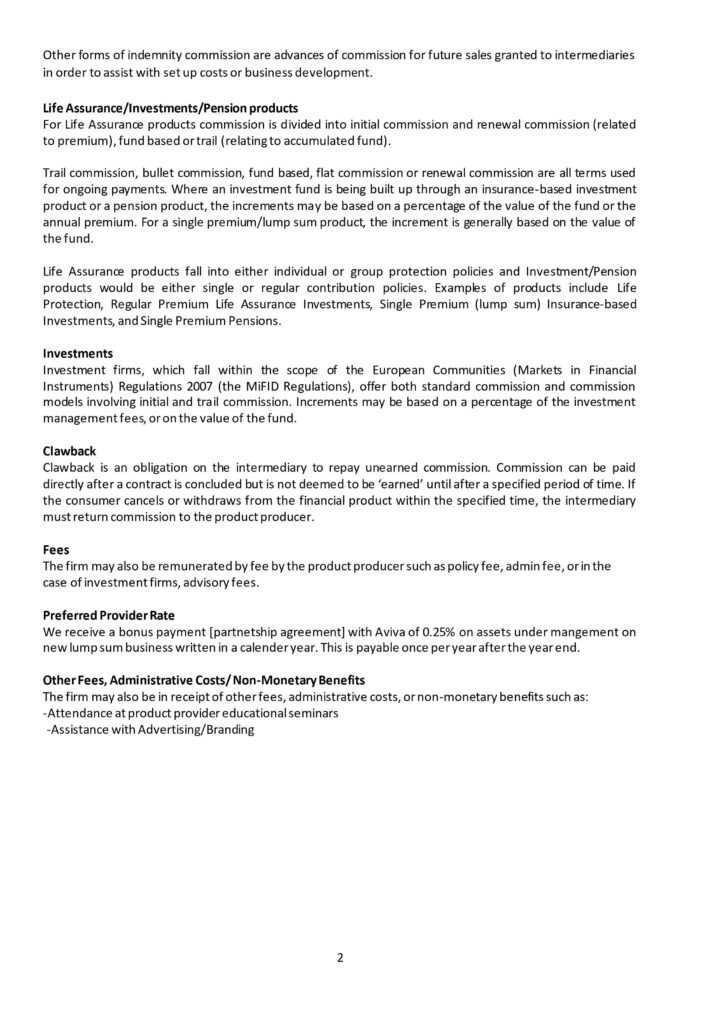
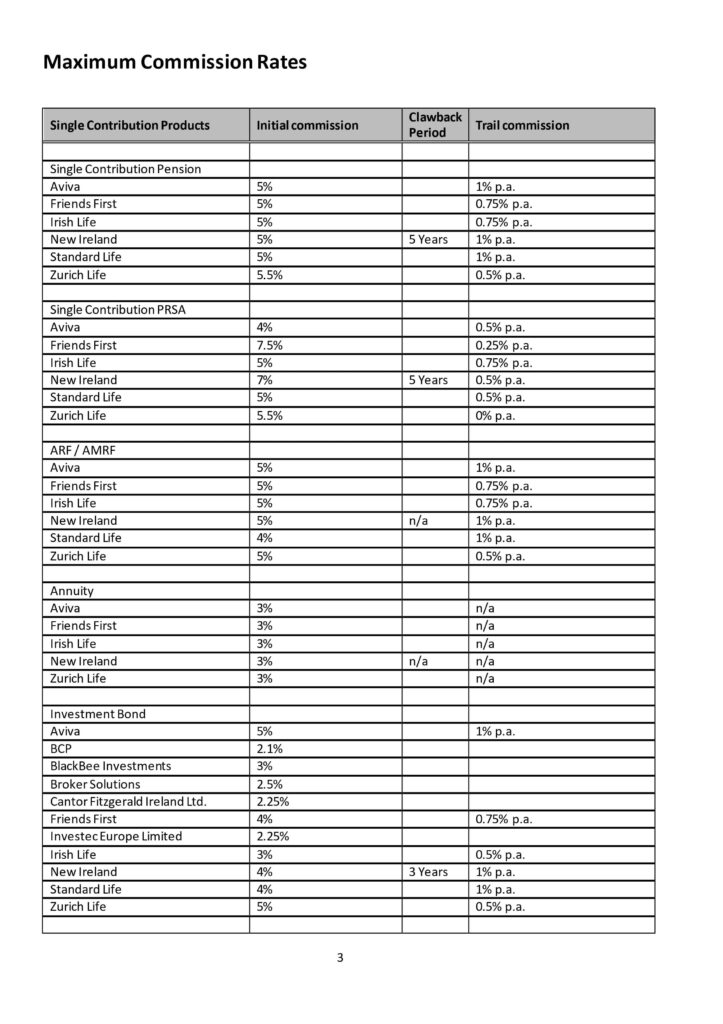
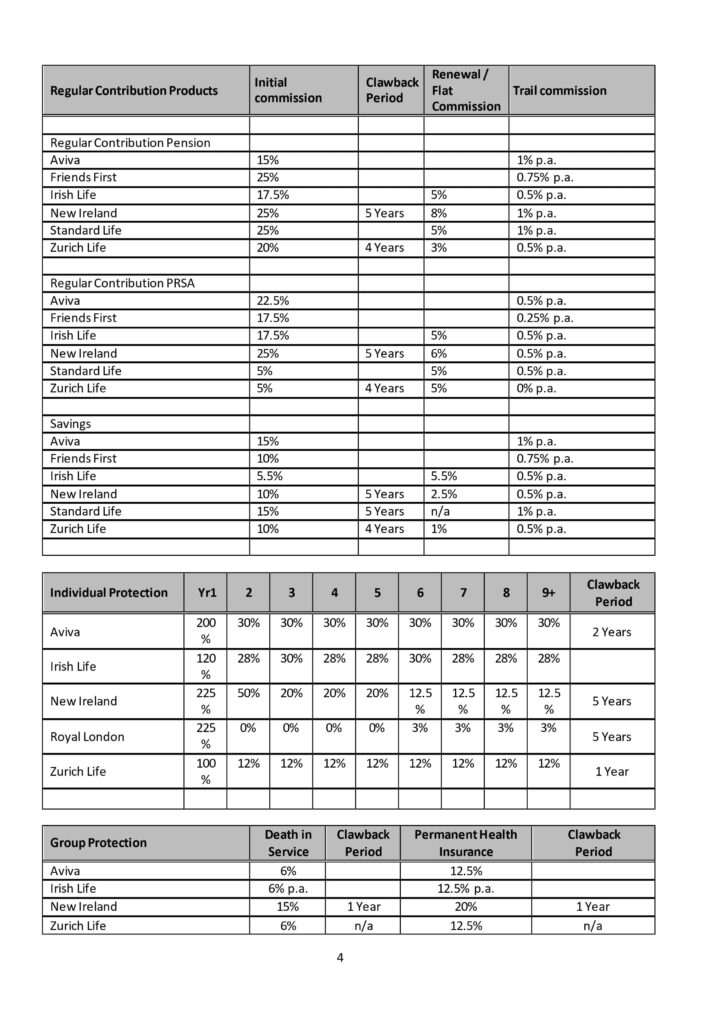
Transparency regarding compensation is equally critical for long-term wealth preservation. Advisors typically operate under either a commission-based or a fee-based model. Commission-based advisors are compensated by the product providers, which can occasionally introduce conflicts of interest regarding fund selection. In contrast, fee-based advisors charge a transparent, upfront fee for their planning services and portfolio management, aligning their incentives directly with the client’s financial outcomes.
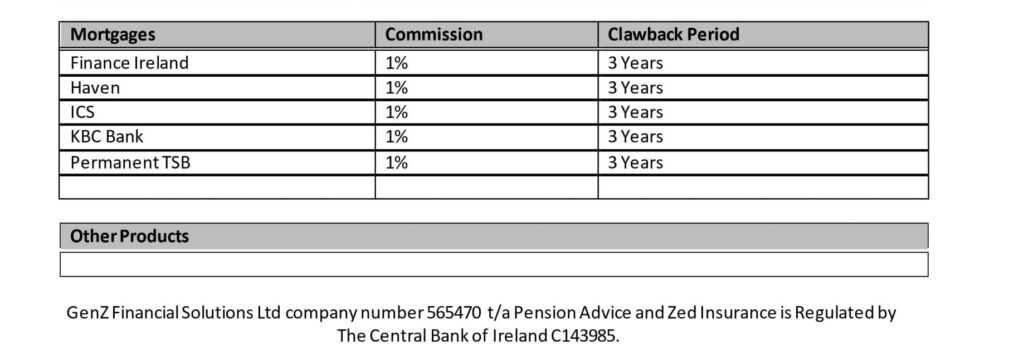
Before committing to any advisory services, professionals should thoroughly review the firm’s regulatory disclosures. Examining a firm’s terms of business provides essential clarity on their regulatory status, service fees, and charging structures. This step ensures that clients can make informed decisions, confident that their retirement assets are being managed in a transparent, compliant, and highly ethical manner.Why a comprehensive pension review is your first step
Many professionals in Ireland change employers multiple times over their working lives, leaving behind a trail of dormant pension schemes. Over a twenty year career, it is common to accumulate four or five separate pension pots, each managed by different providers with varying fee structures and investment strategies. Without a unified strategy, tracking the performance of these assets becomes exceptionally difficult, leaving individuals vulnerable to high administrative charges and underperforming funds.
An independent pension review acts as a diagnostic assessment of an individual’s current retirement trajectory. During this process, an independent advisor analyses the underlying assets within each fund, evaluates the historical growth against relevant benchmarks, and identifies any hidden fees that may be eroding the capital. According to reports from the Irish Pensions Authority, significant sums of money remain unclaimed in forgotten occupational schemes. A structured review helps track down these lost funds and assesses whether they can be consolidated to improve efficiency.
Consolidating multiple dormant accounts into a single, modern contract can significantly reduce annual management charges. It also provides a clear, single view of the entire retirement portfolio, making it easier to adjust asset allocation as retirement approaches. To evaluate the performance of existing funds and uncover any unnecessary charges, individuals can initiate a formal pension review to benchmark their current financial health.
Handling early retirement options and complex transfers
For senior professionals aged 50 to 65, retirement planning often involves complex scenarios that require specialised advice. Accessing retirement savings before the standard retirement age is a primary consideration for those wishing to transition out of the workforce early. Under Irish Revenue rules, individuals can often access occupational pensions from age 50, or personal retirement savings accounts from age 60, provided specific criteria are met.
Navigating these Revenue regulations requires careful planning to avoid unnecessary tax liabilities. For example, taking early retirement from an occupational scheme generally requires the individual to fully sever ties with that employer. Those looking to transition early can explore structured pathways through specialised early retirement planning, which ensures compliance with statutory limits while optimising tax-free lump sum entitlements.
Another layer of complexity involves cross-border pension transfers, particularly for professionals who have spent a portion of their careers working in the United Kingdom. Transferring UK pension assets to Ireland requires strict adherence to both UK and Irish tax legislation. The transfer must be made to a Qualifying Recognised Overseas Pension Scheme (QROPS) approved by Her Majesty’s Revenue and Customs (HMRC). Failure to execute this transfer correctly can result in unauthorised payment charges of up to 55 percent of the fund value. Professionals can secure their overseas assets by utilising dedicated uk pension transfers strategies to ensure a seamless, tax-efficient transition of their retirement wealth.
How to prepare for your first advisory meeting
To secure the best possible outcome when seeking independent pension advice in dublin, adequate preparation before the initial consultation is essential. Gathering all relevant financial documentation beforehand allows the advisor to conduct a thorough analysis and provide tailored recommendations during the first meeting.
Individuals should prepare by compiling the following documents:
During the initial discovery call, asking targeted questions helps determine if the advisor is the right fit. Key questions should focus on their independence, fee structure, and ongoing service model. It is important to ask whether they have access to the entire market or if they are restricted to a limited panel of providers. Additionally, understanding whether they charge a flat fee, an hourly rate, or a percentage of assets under management ensures complete transparency from the outset.
To take control of their financial future and assess their retirement readiness, individuals can get in touch directly via the contact page to schedule an initial discovery meeting.
Frequently asked questions
What is the difference between an independent pension advisor and a bank advisor in Ireland
An independent advisor can access products from across the entire Irish market to find the best fit for your goals. In contrast, a bank advisor is tied to their employer and can only recommend that specific bank’s financial products.
How much does it cost to hire an independent pension broker in Dublin
Fees can vary based on whether the advisor charges a flat fee, an hourly rate, or receives a commission from product providers. It is important to request a clear breakdown of all charges before committing to any service.
Can an independent advisor help me consolidate multiple pension pots from previous employers
Yes, an independent advisor can review all your dormant pension schemes to evaluate their performance and fees. They will then help you combine them into a single, manageable plan if it is financially beneficial for you.