Why returning to Cork requires a strategic look at your UK pension
Cork has established itself as a premier destination for multinational investment, particularly across the life sciences, technology, and cybersecurity sectors. Companies located in major hubs like the Ringaskiddy bio-pharma cluster and the Cork Airport Business Park continue to attract senior professionals. Many of these individuals are returning Irish emigrants or UK expats who have spent years building substantial careers and retirement portfolios in the UK. When relocating to the Munster region, managing the transition of these accumulated assets becomes a critical priority. Securing professional pension advice in cork is essential for navigating the distinct regulatory frameworks of both jurisdictions.
For professionals with UK retirement savings, the primary challenge lies in the structural differences between UK and Irish pension schemes. Individuals often hold multiple retirement accounts, ranging from Defined Contribution pots to highly structured Defined Benefit schemes. Leaving these assets in the UK without a strategic plan can expose them to unnecessary currency fluctuations, complex cross-border tax liabilities, and administrative inefficiencies. For example, a senior engineer moving to a role in Carrigaline may hold a substantial Cash Equivalent Transfer Value in a UK corporate scheme. To prevent these financial pitfalls, individuals must evaluate their options early in the relocation process. Exploring formal UK pension transfers allows returning professionals to align their retirement assets with their new residency status, ensuring their wealth is preserved and structured optimally for Irish tax compliance.
Understanding the HMRC and Revenue rules for Irish transfers
The process of moving retirement wealth from the UK to Ireland is governed by strict regulatory frameworks established by both His Majesty’s Revenue and Customs (HMRC) and the Irish Revenue Commissioners. To execute a tax-free transfer, the receiving scheme in Ireland must hold Qualifying Recognised Overseas Pension Scheme (QROPS) status. A QROPS is an international pension program that meets specific criteria set by UK tax authorities, allowing it to receive transfers from UK-registered pension funds without triggering immediate tax penalties.
One of the most critical aspects of this transfer process is the five year residency rule. According to HMRC rules, if an individual transfers their UK pension to an Irish QROPS but ceases to be a tax resident outside the UK within five full consecutive tax years of the transfer, the transfer can be subject to retrospective UK tax charges. These charges can be exceptionally high, sometimes reaching up to 55 percent of the transferred value. Additionally, the Irish Revenue Commissioners impose their own set of rules on how these funds are treated once they arrive in Ireland. For instance, the funds must be held in an appropriate vehicle, such as a Personal Retirement Savings Account (PRSA) or a Buy-Out Bond, and are subject to Irish rules regarding retirement age, benefit options, and the Standard Fund Threshold, which limits the total capital value of tax-subsidised pension benefits an individual can hold. According to the Irish Revenue Commissioners guidelines, the current Standard Fund Threshold is capped at 2 million euros, and any pension assets exceeding this limit are subject to a penal tax rate of 40 percent upon retirement.
Furthermore, recent legislative updates have modified the tax landscape. According to the UK Autumn Statement, the lifetime allowance was formally abolished, replaced by new allowances governing tax-free lump sums. Navigating these shifting rules requires deep technical expertise to ensure that a transfer does not trigger unintended tax liabilities on either side of the Irish Sea.
The financial benefits of consolidating your UK and Irish retirement funds
For professionals who have spent their careers working across both the UK and Ireland, maintaining multiple pension pots in different jurisdictions is rarely an efficient strategy. Managing separate accounts leads to fee duplication, as each provider charges independent administration and management fees. Over a career spanning several decades, these compounding fees can significantly erode the final value of a retirement portfolio. According to a report by the Irish Department of Social Protection, high administrative charges on multiple small pots can reduce the ultimate value of a pension pot by up to 20 percent compared to a single, consolidated fund.
Currency risk represents another substantial concern for individuals living in Cork who hold sterling-denominated assets. If a retiree resides in Ireland and incurs their daily living expenses in euros, relying on a UK pension paid in sterling introduces ongoing exposure to exchange rate volatility. A sudden depreciation of sterling can drastically reduce monthly retirement income. Consolidating these funds into an Irish euro-denominated structure eliminates this currency mismatch, providing greater predictability for long-term financial planning.
Consolidation also provides much-needed visibility. It is difficult to assess retirement readiness when tracking performance, asset allocation, and underlying fund fees across different online portals and currencies. By initiating pension reviews with a qualified advisor, professionals can benchmark their current assets, identify underperforming funds, and consolidate their wealth into a single, cohesive strategy. This unified approach simplifies administration, lowers overall management costs, and ensures that the entire portfolio is actively managed in line with the individual’s specific retirement timeline and risk tolerance.
Navigating early retirement options for expats in Munster
For pre-retirement professionals who have relocated to Cork or the wider Munster region, understanding when and how retirement funds can be accessed is critical. The rules governing early retirement differ significantly between the UK and Ireland, and navigating this intersection requires careful planning to avoid severe tax penalties.
In the UK, the normal minimum pension age is currently 55, and this is scheduled to rise to 57 in April 2028. In contrast, Irish pension legislation allows for more varied access points. For example, members of occupational pension schemes in Ireland can often access their benefits from age 50 if they are retiring from the employment associated with that scheme, subject to trustee and employer approval. Personal Retirement Savings Accounts (PRSAs) generally allow access from age 60, though early retirement due to ill health is permitted at any age.
However, returning emigrants and expats who transfer their UK pension pots to an Irish Qualifying Recognised Overseas Pension Scheme (QROPS) must tread carefully. According to the UK HM Revenue and Customs (HMRC) pension schemes manual, any transfer to an overseas scheme remains subject to UK member payment provisions for a specific period (usually five full, consecutive tax years of non-UK residency) and must adhere to UK age limits. If an individual accesses their transferred pension funds in Ireland before reaching the UK minimum retirement age of 55, HMRC can classify this as an unauthorised payment. This triggers an unauthorised payment charge of up to 55% on the accessed amount.
To avoid these punitive tax charges, Munster-based professionals must align their retirement timelines with both Irish Revenue and UK HMRC regulations. Those considering accessing their funds ahead of schedule can review the specific criteria and age limits on the early retirement services page to ensure their transition remains tax-compliant.
How to find qualified pension advice in Cork for international transfers
Relocating retirement assets across jurisdictions is not a standard transaction. It requires a deep understanding of dual-tax treaties, currency risks, and the structural differences between UK defined benefit or defined contribution schemes and Irish pension vehicles. Consequently, securing specialized pension advice in cork is a necessary step for professionals looking to protect their accumulated wealth.
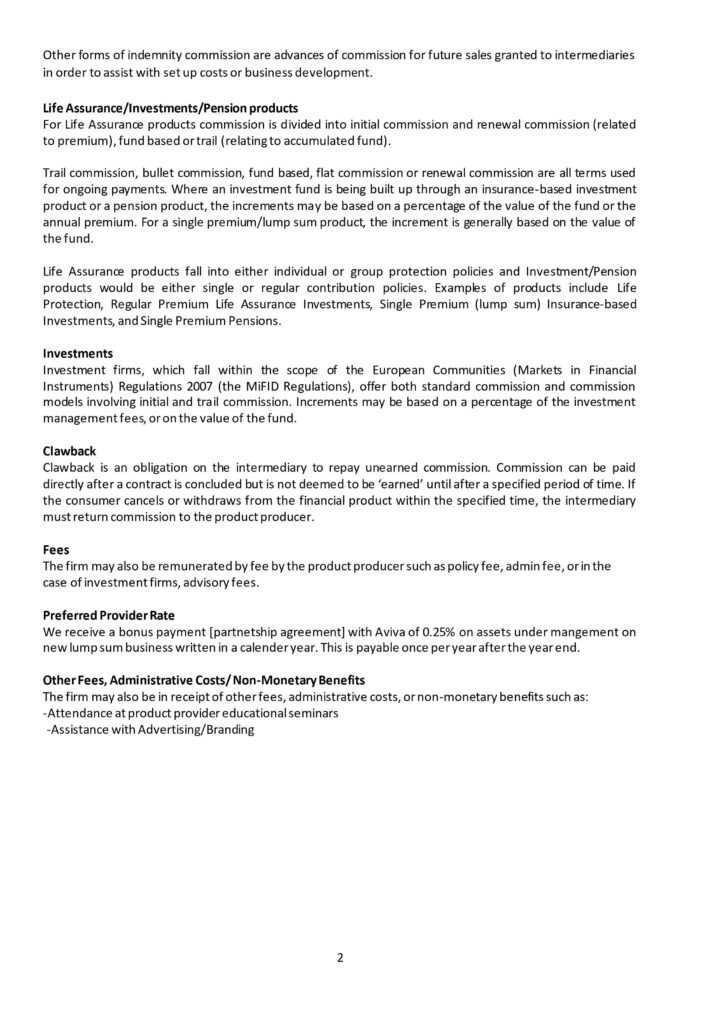
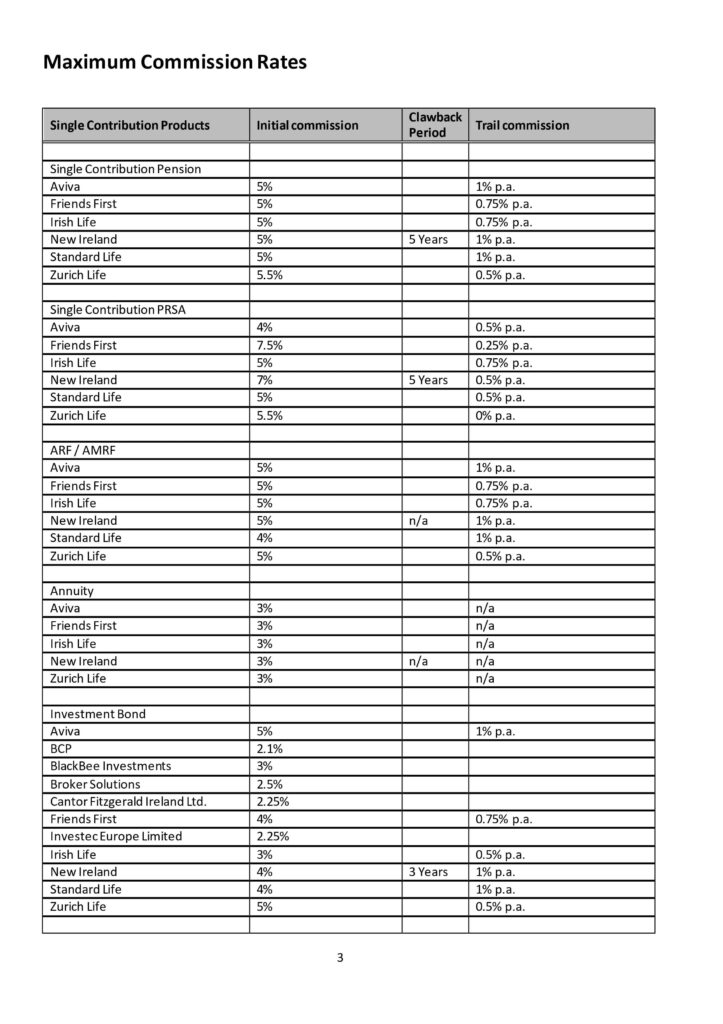
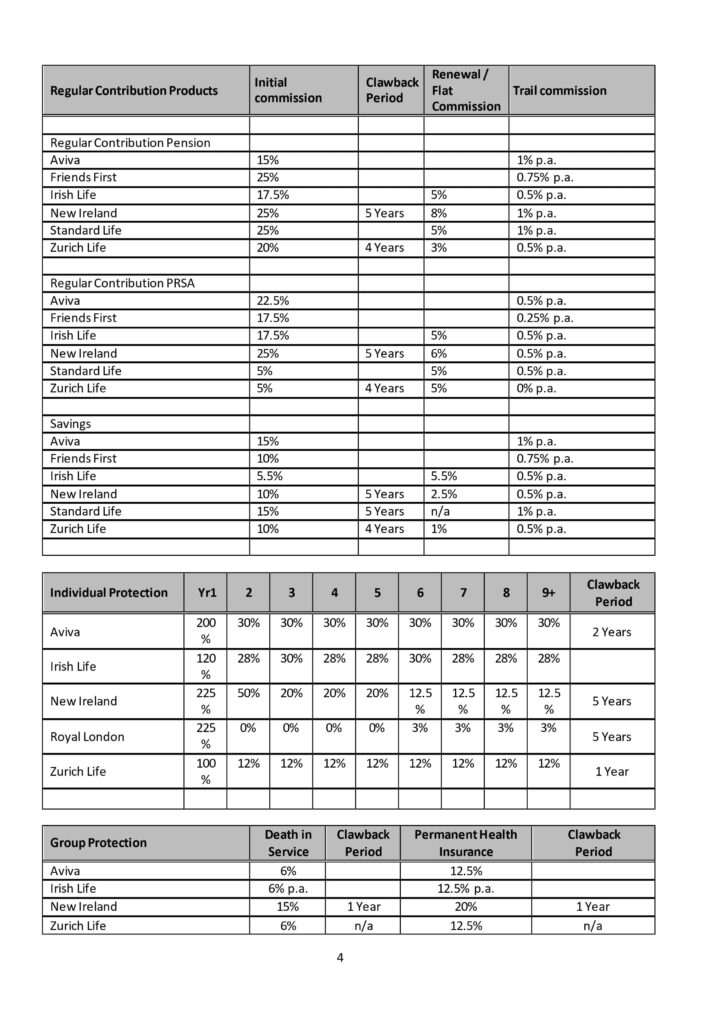
When searching for a local advisor in the Cork region, professionals should prioritize independent status. An independent pension broker is not tied to a single insurance company or product provider. This independence ensures that the advisor can search the entire Irish market to find the QROPS-compliant structures that offer the lowest management fees and the most appropriate investment funds. According to a report by the Competition and Consumer Protection Commission (CCPC) on financial advice in Ireland, independent advisors provide a broader market analysis compared to tied agents, which is essential when matching complex UK pension structures with Irish equivalents.
In addition to independence, the advisor must possess verified cross-border expertise. Professionals should ask prospective advisors direct questions about their experience with HMRC reporting requirements and the Irish Standard Fund Threshold, which imposes a lifetime limit of 2 million Euros on tax-relieved pension assets. A qualified advisor will provide a clear, written fee structure and a worked demonstration of how the transfer will impact future tax liabilities.
To secure retirement savings and ensure a seamless financial transition, Cork-based professionals can take the next step by visiting the specialist consultation page to schedule a detailed review of their pension options.
Frequently asked questions
Can I transfer my UK pension to Ireland if I live in Cork?
Yes, you can transfer your UK pension to an Irish scheme as long as the receiving structure is recognized by HMRC as a Qualifying Recognized Overseas Pension Scheme. This process requires careful navigation of both UK and Irish tax laws to avoid unnecessary penalties.
How long does a UK to Ireland pension transfer take?
The transfer process typically takes between three to six months depending on the responsiveness of your UK pension provider. Working with a specialist advisor helps streamline the paperwork and prevents common administrative delays.
Are there tax implications when transferring a UK pension to Ireland?
If the transfer is completed into a qualifying Irish scheme and you remain an Irish resident, you can generally transfer the funds tax-free. However, transferring to a non-compliant scheme or moving funds before meeting residency requirements can trigger a tax charge of up to 55 percent from HMRC.