Understanding your options for retirement advice in Ireland
Navigating the Irish retirement landscape can be challenging, especially for professionals who have accumulated multiple pension pots over a varied career. When seeking to optimize retirement savings, reduce management fees, or prepare for an imminent exit from the workforce, identifying the right advisor is paramount. Determining who is the best person to talk to about pensions depends heavily on whether an individual needs to locate and combine dormant accounts, evaluate investment performance, or structure tax-efficient retirement income. In Ireland, retirement advice generally falls into three main categories: bank staff, tied agents, and independent financial brokers. Each category offers a different level of market access, fee structure, and objectivity. Understanding these distinctions is the first step toward securing a stable financial future.
For mid-career professionals and pre-retirement savers, the choice of advisor directly impacts the ultimate value of their retirement fund. A poor decision can result in decades of high fees and restricted investment choices, while the right choice can streamline administration and maximize growth. The modern pension landscape requires a proactive approach, particularly for those who have changed employers multiple times and left behind a trail of inactive pension schemes. By understanding how different advisors operate, savers can make an informed decision that aligns with their long-term financial objectives.
Why bank advisors and tied agents may restrict your retirement growth
Tied agents and bank advisors represent a single insurance company or a restricted panel of product providers. When a saver meets with a bank representative to discuss retirement planning, that representative can only recommend the specific pension products offered by their employer or their designated partner. This restriction limits choice and can lead to higher costs and lower investment growth over the long term.
For mid-career savers focused on wealth accumulation, these restricted options often carry higher annual management charges and lower allocation rates. For example, a tied bank advisor might offer a pension fund with an Annual Management Charge (AMC) of 1.50% and an allocation rate of 98%. This means that for every €100 contributed, only €98 is actually invested, and 1.50% of the entire fund value is deducted every year.
In contrast, a wider market search might reveal an identical risk-profile fund with an AMC of 0.75% and a 100% allocation rate. Over a twenty-year period, this difference in charges has a significant compounding effect. On a starting pension pot of €150,000 with an average annual growth rate of 5% before charges, a fund with a 1.50% AMC (yielding 3.50% net) would grow to approximately €298,468. The same fund with a 0.75% AMC (yielding 4.25% net) would grow to approximately €344,829. By relying on a restricted advisor, the saver loses over €46,000 to avoidable fees. Additionally, tied agents cannot easily compare performance across different fund managers, leaving savers stuck in underperforming funds without a clear mechanism for switching.
The advantages of working with an independent financial broker
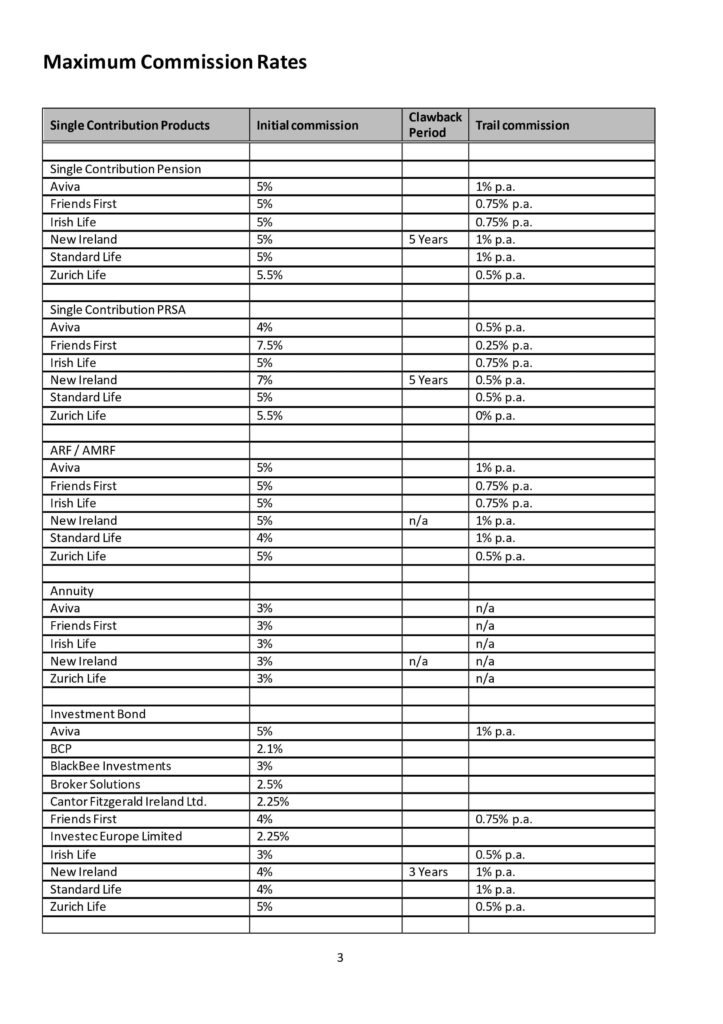
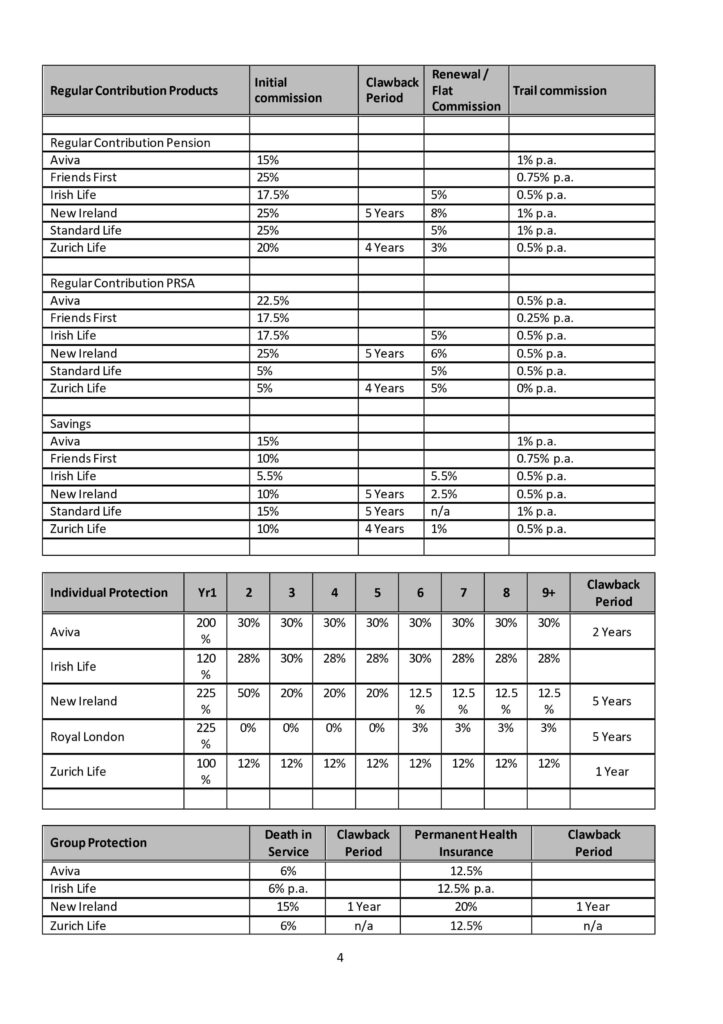
Independent financial brokers are widely considered the gold standard for retirement planning in Ireland. Because they are not contractually bound to any single insurance company, they have the freedom to survey the entire market. This whole of market access allows them to compare offerings from providers such as Zurich, Irish Life, Aviva, Royal London, and Standard Life to secure the lowest fees and the most competitive allocation rates.
An independent broker works solely on behalf of the client. Under the Central Bank of Ireland Consumer Protection Code, independent brokers must provide unbiased advice based on a fair analysis of the market. This ensures that recommendations are tailored strictly to the financial goals of the individual, rather than the sales targets of a financial institution. Savers who want to take control of their retirement planning can visit Pension Advice to access a personalized approach to wealth preservation.
Furthermore, an independent broker can conduct a thorough review of existing retirement assets. Many savers hold older policies with outdated fee structures or investment strategies that no longer align with their risk tolerance. By utilizing a service like pension reviewsindividuals can obtain a clear breakdown of their current holdings, identify high fees, and realign their investment portfolios with their target retirement dates.
Who is the best person to talk to about pensions when consolidating multiple accounts
For mid-career professionals who have changed employers multiple times, managing several dormant pension pots can become a significant administrative and financial burden. Over a twenty or thirty-year career, it is common to accumulate three, four, or more separate pension plans, including occupational pension schemes, Personal Retirement Savings Accounts (PRSAs), and Executive Pension Plans. When looking to combine pensions irelanda specialist independent broker is the ideal professional to manage the process.
Consolidating pensions requires a systematic approach to avoid losing valuable benefits or incurring unnecessary tax penalties. A specialist broker begins by tracking down old accounts, which often involves contacting former employers and pension trustees to obtain leaving service options letters. Once the policy details are secured, the broker performs a detailed transfer value analysis. This analysis compares the charging structures, investment options, and guarantees of the old schemes against a new, consolidated retirement account.
The primary objective when savers choose to consolidate pensions is to simplify administration and optimize growth. Instead of receiving multiple annual statements with varying fee structures, the saver can view their entire retirement nest egg through a single, modern digital platform. This makes it far easier to monitor performance and adjust asset allocation as retirement approaches.
Specialist brokers also possess the expertise required to handle complex, cross-border pension transfers. For individuals who have spent part of their careers working abroad, transferring retirement funds back to Ireland requires strict adherence to international regulations. For example, moving a pension from the United Kingdom to Ireland must comply with His Majesty’s Revenue and Customs (HMRC) rules regarding Qualifying Recognised Overseas Pension Schemes (QROPS). Savers facing these specific circumstances can benefit from specialized assistance with UK pension transfers to ensure the transfer is completed without triggering unauthorized payment charges.
Essential questions to ask a retirement advisor before hiring them
Before engaging any financial professional to manage retirement savings, savers should conduct a thorough interview to verify their credentials, independence, and fee structures. Asking targeted questions helps ensure the advisor is aligned with the client’s best interests.
Savers should ask the following questions during an initial consultation:
Securing specialist advice for complex career and retirement transitions
As retirement approaches, or during significant career disruptions, the complexity of managing pension assets increases dramatically. Pre-retirement professionals aged fifty to sixty-five require specialized advice to navigate complex tax rules and maximize their retirement income. This is particularly true during major transitions, such as early retirement, company restructuring, or redundancy.
In Ireland, receiving a redundancy package can have a profound impact on retirement planning. Redundancy payments often consist of tax-free elements and taxable sums. Navigating the tax exemptions, such as the Basic Exemption, the Increased Exemption, or the Standard Capital Superannuation Benefit (SCSB), requires deep technical knowledge. The SCSB formula, for instance, calculates a tax-free limit based on service length and average salary (specifically, one-fifteenth of the average annual salary for the last three years of service, multiplied by the number of complete years of service, minus any tax-free pension lump sum received or entitled to be received). Choosing to take a tax-free lump sum from a pension can affect the tax treatment of a redundancy payment, and vice versa.
To prevent heavy tax penalties and optimize financial outcomes during these transitions, savers should seek specialized guidance. Exploring resources on redundancy pensions can help individuals understand how to structure their retirement packages tax-efficiently, ensuring they preserve their wealth and transition smoothly into the next phase of life.
Frequently asked questions
What is the difference between a tied agent and an independent broker?
A tied agent can only recommend pension products from the single financial institution they represent. An independent broker has access to the entire Irish market, allowing them to compare multiple providers to find the lowest fees and best investment options for you.
How much does it cost to talk to a pension advisor in Ireland?
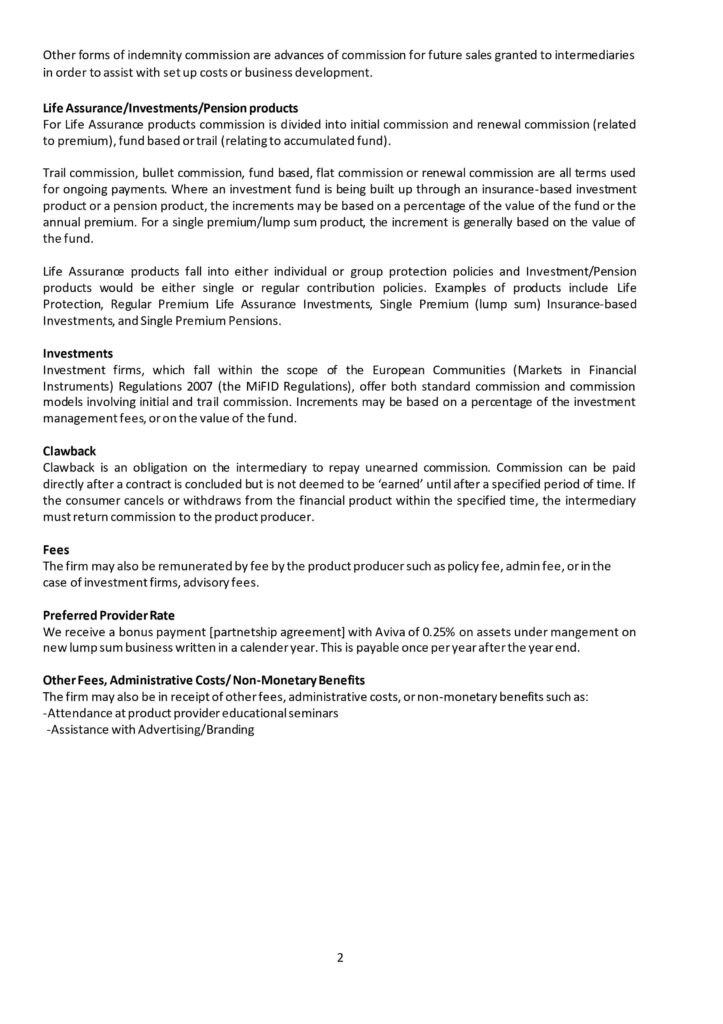
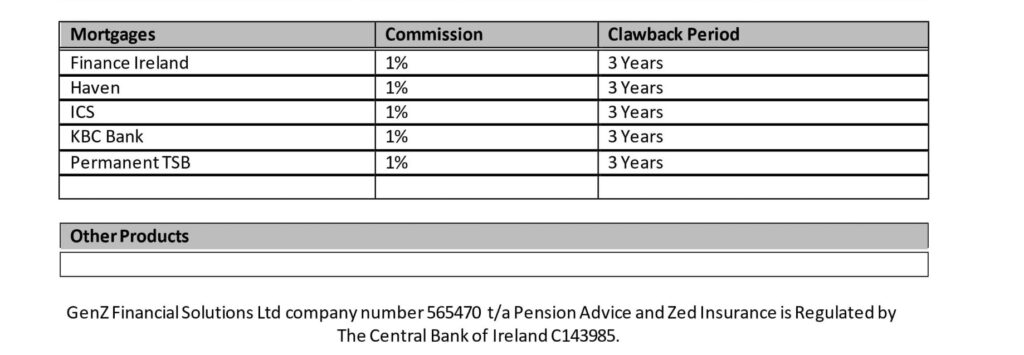
The cost varies depending on whether the advisor charges a flat fee, an hourly rate, or receives a commission from the product provider. You should always ask for a clear, written breakdown of all fees and charges before agreeing to work with any advisor.
Can a pension advisor help me combine my old workplace pensions?
Yes, an independent advisor can trace your dormant pension pots from previous employers, evaluate their performance, and help you consolidate them into a single account. This process simplifies your retirement planning and can significantly reduce the overall management fees you pay.